
BlogFind out the latest news about Ketian and our industry
2026-01-06
I. Market Expansion and Structural Upgrade: Laying a Solid Foundation for Industrial Development
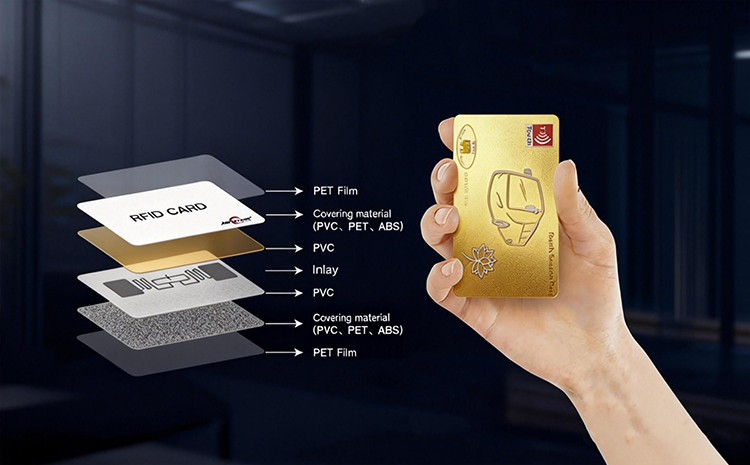
Driven by the synergistic effects of financial payment system upgrades, expanding demand for identity recognition, and accelerated construction of smart cities, the trend toward high-endization has become increasingly prominent. Traditional PVC card base materials can no longer meet performance requirements in high-frequency usage scenarios, making high-security, high-temperature resistant, bend-resistant, and environmentally recyclable products the mainstream of the market. In terms of application areas, financial IC cards, social security cards, transportation cards, and IoT identity authentication cards constitute the four core demand scenarios; meanwhile, the rise of new application scenarios such as electronic ID cards, digital health cards, and digital currency hardware wallets is emerging as a new growth driver for high-end PVC card base material demand. From safeguarding the security of financial payments and enabling precise identity recognition to facilitating convenient urban transportation and constructing smart city infrastructure, Ketian focuses on enhancing product performance and providing customized services to meet the diverse needs of customers.
II. Accelerated Green Transition: Defining a New Path for Sustainable Development
Against the backdrop of global "dual carbon" goals and increasingly stringent environmental regulations, green transition has become an inevitable choice for the PVC card base material industry. The EU’s Ecodesign for Sustainable Products Regulation (ESPR) explicitly requires that the recycled plastic content in all plastic products be no less than 30% by 2030, while China's "dual carbon" policies have also set clear targets for the recyclability of PVC materials, forcing the industry to accelerate the upgrading of environmental protection technologies.
In 2025, over 30% of mainstream PVC specialty card base products have achieved a recycled material proportion of more than 30%, and this ratio is expected to rise to 50% by 2030. Environmental attributes are becoming the core competitiveness for enterprises to explore high-end markets.
III. Ecological Synergy and Symbiosis: Building a New Ecosystem for Industrial Development
Currently, competition in the PVC card base material industry has evolved from single-product competition to industrial chain ecological competition. The one-stop business model of "materials + design + solutions" is gradually taking shape. By establishing joint R&D mechanisms with downstream smart card manufacturers and chip enterprises, Ketian has realized full-chain collaboration from demand exploration to product delivery.
Localization of the supply chain has become an important direction to enhance industrial resilience. Through optimizing regional production capacity layout, we improve delivery efficiency, reduce customers' product procurement and logistics costs, and strengthen market competitiveness.
IV. Ketian Leads the Future with Innovation: Forging Ahead into a New Journey of the Smart Card Industry
Standing at a critical juncture of industrial transformation, Ketian witnesses the PVC smart card base material industry embracing a development pattern integrating high-endization, greenization, and intellectualization. The continuous expansion of market scale, ongoing breakthroughs in technological innovation, and accelerated green transition have injected strong momentum into the industry's development. As a participant and leader in the industry, Ketian will always adhere to the concept of innovation-driven development, deepen material R&D, optimize product performance, improve ecological collaboration, and support the high-quality development of financial payments, identity recognition, smart cities, and other fields with higher-quality PVC smart card base materials.
In the future, we are willing to join hands with upstream and downstream partners in the industrial chain to seize industry development opportunities, overcome technological challenges, promote green and sustainable development, and jointly build a safer, more efficient, and more environmentally friendly smart card industry ecosystem. We will contribute core material strength to the development of the digital economy and the construction of smart cities. Just as the leapfrog development of China's smart card industry—from "following" to "leading"—has demonstrated, only by adhering to independent innovation and open cooperation can we take the initiative in global industrial competition.




 CN
CN
 Follow Us
 86-13823778249
  E-mail


